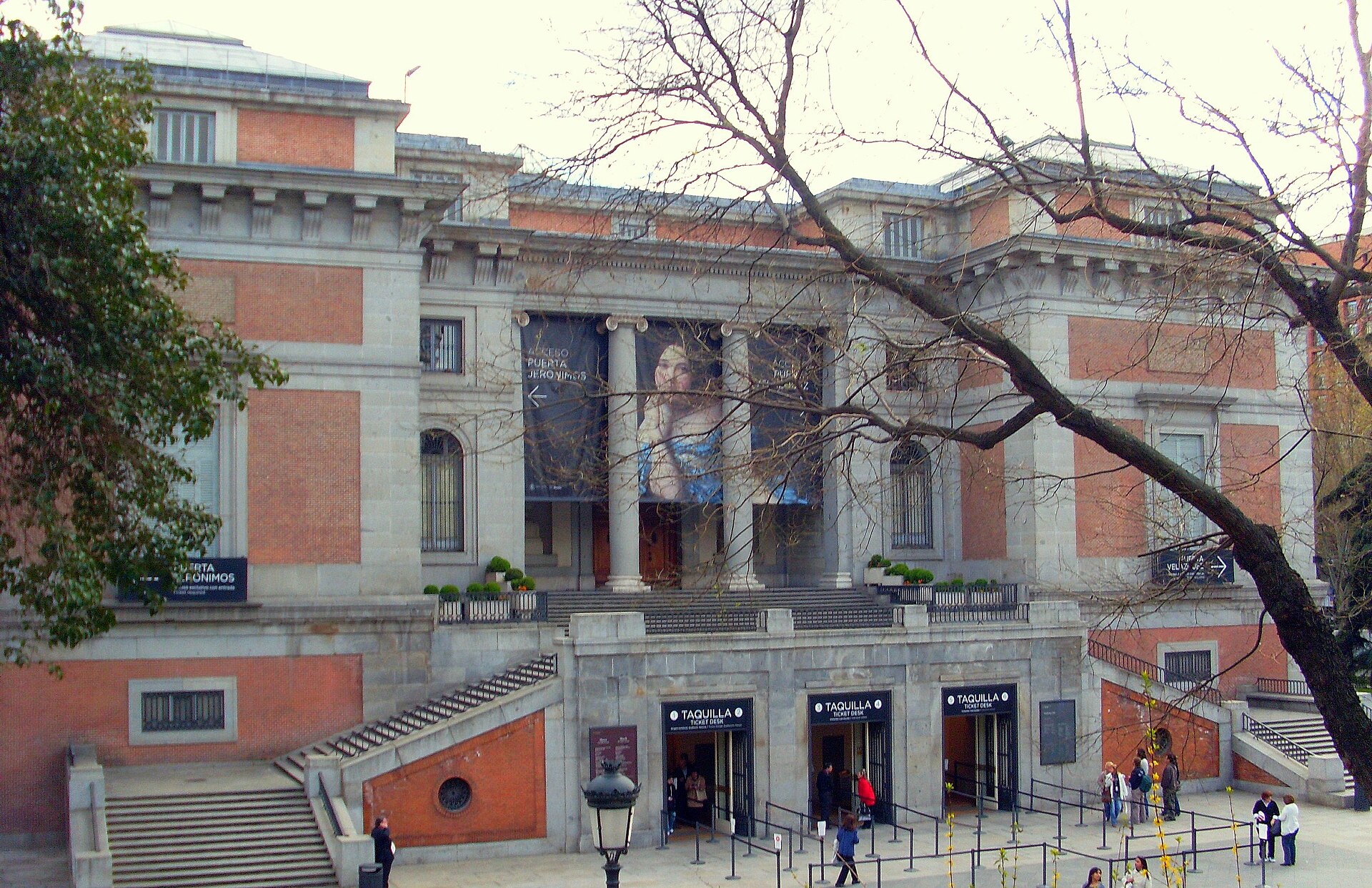
The Museo del Prado is one of the great art museums of the world and one of the easier ones to visit badly. It is large, it is busy, and because it is essentially the Spanish royal collection rather than a curated greatest-hits museum, it does not hold your hand. People arrive without a ticket, queue in the sun, walk in exhausted, try to see all eight thousand works, and leave four hours later having properly looked at none of them. None of that needs to happen. The Prado is genuinely simple to do well if you sort out three things in advance: when to go, how to get in, and what your route is. This guide covers all three, plus the layout of the building and the practical details that make the difference between a great visit and a forced march.
If you want the art itself, which dozen paintings to prioritize once you are inside, that is a separate piece: what to see at the Prado. This one is about the logistics.
Hours: when the Prado is open
The Prado is open Monday to Saturday from 10:00 in the morning to 8:00 in the evening, and on Sundays and public holidays from 10:00 to 7:00. There are a few short days, on January 6, December 24, and December 31 it closes early at 2:00 in the afternoon, and it is fully closed on three days a year: January 1, May 1, and December 25. Always check the museum’s official site before a trip, because Spanish public holidays shift and special exhibitions occasionally change the schedule, but the everyday pattern, open by 10, open until 8 most days, is reliable.
The single most useful thing to know about the hours is that the museum is open until 8:00 p.m. most of the year, which means late afternoon is a real option and often the best one. The tour groups that flood the building mid-morning have mostly cleared out by four or five, and the light through the upper galleries in the early evening is lovely.
Tickets and the free slot
General admission is 15 euros for the permanent collection. If there is a temporary exhibition you want to add, there is a combined ticket that costs a little more. Buy your ticket online in advance from the museum’s official website rather than queuing at the door, this is the easiest single improvement you can make to the visit, because it lets you walk past the ticket line and go straight to the entrance for ticket-holders.
The Prado also offers free admission for everyone during a window each day, and this is worth understanding clearly because it is a genuine bargain and a genuine trade-off. Entry is free Monday to Saturday from 6:00 to 8:00 in the evening, and on Sundays and holidays from 5:00 to 7:00. You pay nothing. The catch is that everyone else also knows this, so the free window is the most crowded time in the building, the queue to get in can be long, and you have at most two hours before closing. The free slot is excellent if you are on a budget, have already decided on a short list of works, and do not mind crowds. It is a poor choice if you want to wander at leisure. A useful middle path: pay the 15 euros, arrive in the early afternoon, and you get the building at its calmest with hours to spare.
There are also some standing free categories, under-18s, students under 25 in many cases, and others, so if you fall into one, check the museum’s eligibility list before buying.
Where it is and how to get there
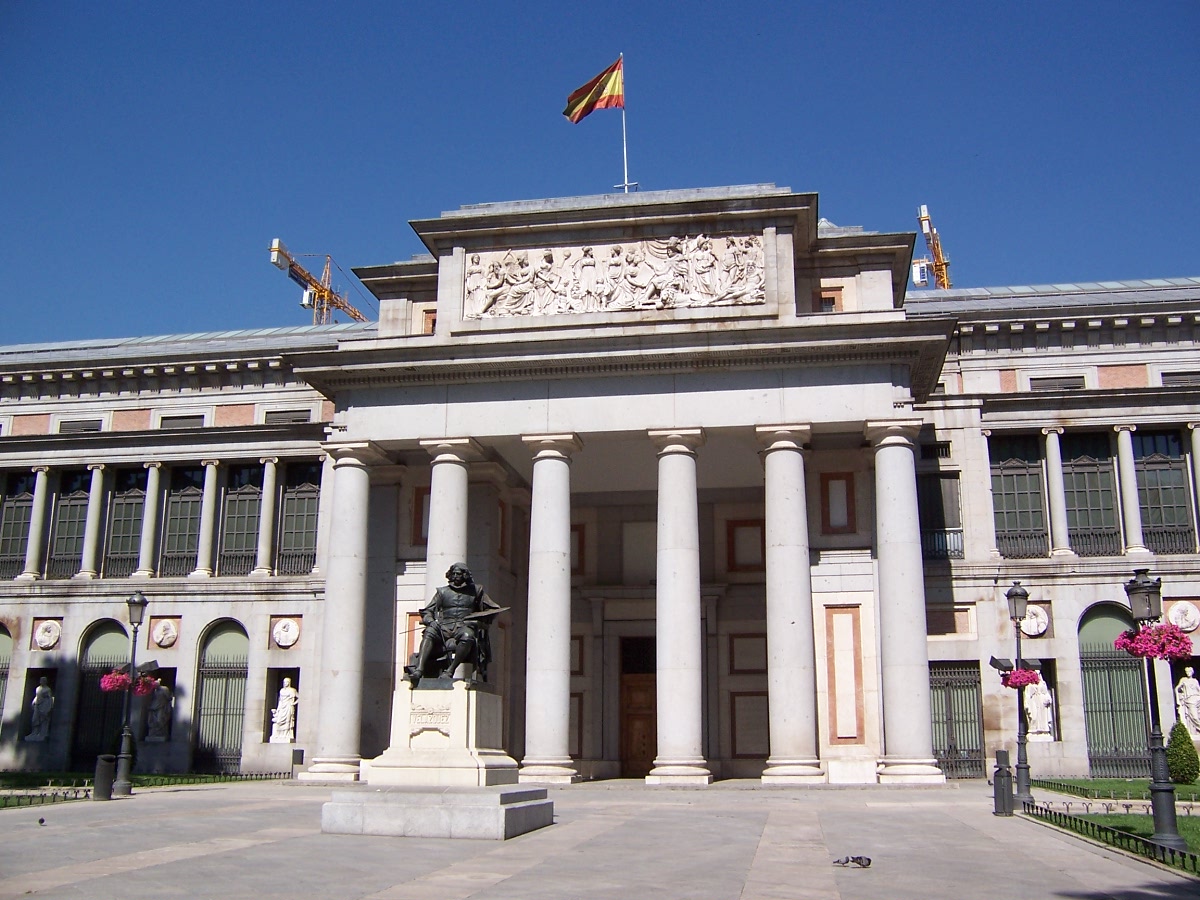
The Prado sits on the Paseo del Prado, a grand tree-lined boulevard in central Madrid, in the cluster of museums sometimes called the Golden Triangle of Art, with the Reina Sofia, home of Picasso’s Guernica, and the Thyssen-Bornemisza both within a short walk. The nearest Metro stops are Banco de Espana on line 2, Atocha on line 1, and Estacion del Arte. It is an easy walk from the Retiro park and from Atocha train station, and Madrid is compact enough that from most of the center you can simply walk.
The main entrance for individual visitors is the Puerta de los Jeronimos, the modern glass-and-stone wing on the north side, where you will find the seated bronze statue of Velazquez outside, brush and palette in hand, a fitting greeter given that his Las Meninas is the heart of the collection inside. There is also the historic Goya entrance with its standing statue of Goya. Tickets and security are at the Jeronimos entrance, so head there first.
How the building is laid out
The Prado’s core is the Villanueva building, a long neoclassical structure designed by the architect Juan de Villanueva in the 1780s, originally meant as a natural science museum and pressed into service as an art museum when it opened in 1819. It runs north to south, and once you learn that the building is essentially one long axis with galleries opening off it, navigating gets much easier. The collection is spread over three main floors, the ground floor (planta baja), the main floor (planta primera), and an upper floor (planta segunda).
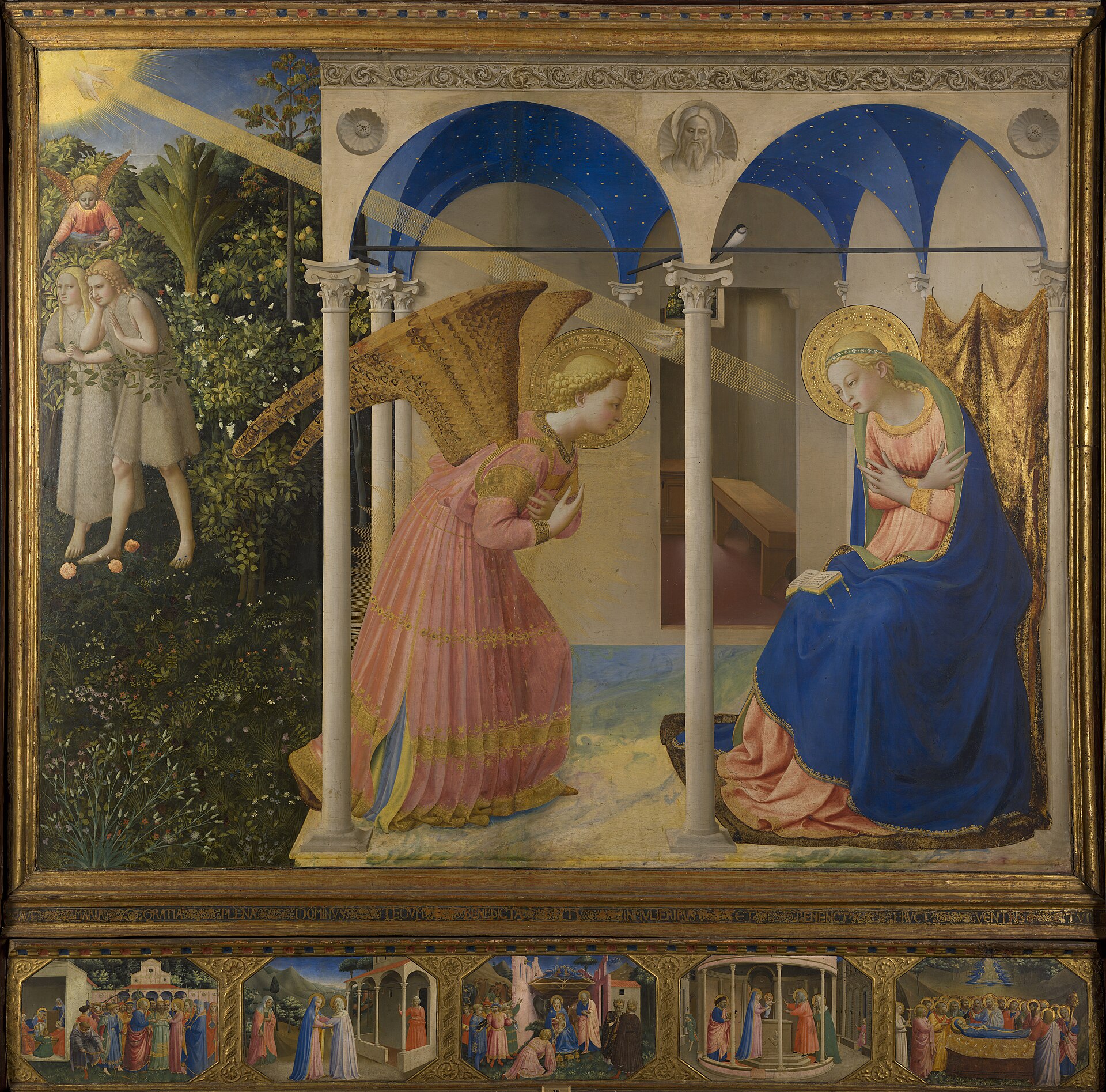
In broad strokes: the great Spanish paintings, Velazquez, much of Goya, and the heart of the collection, are on the main first floor, which is where Las Meninas hangs in Room 12 at the center. The early Flemish and early Italian works, Bosch, Van der Weyden, Fra Angelico, are largely on the ground floor. Goya’s Black Paintings are also on the ground floor, in Room 67. The upper floor holds more Goya and eighteenth-century work. Grab a free paper map at the entrance or use the museum app, because the room numbers are the only reliable way to find a specific painting, the building is large and the layout is not always intuitive.
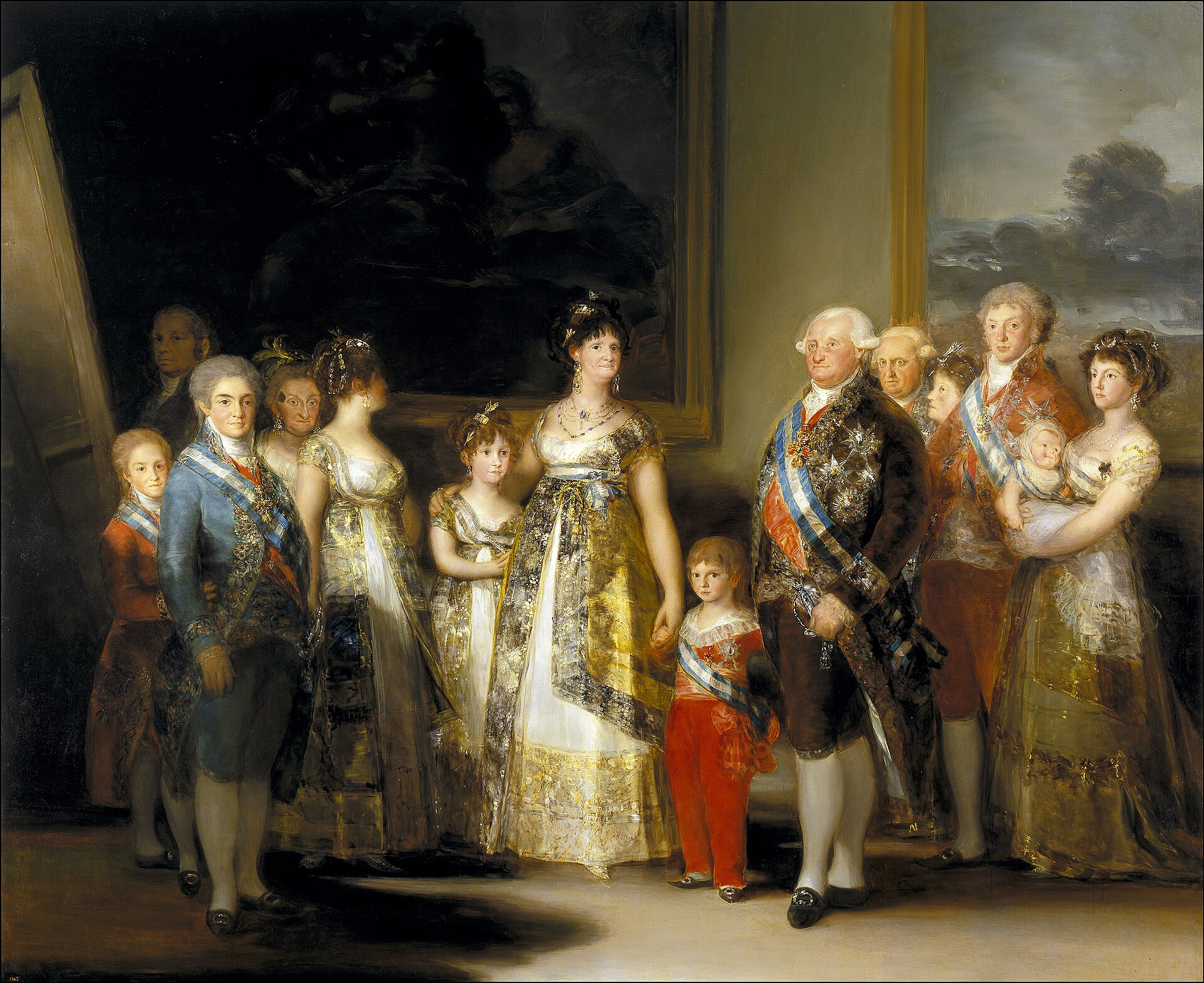
The crucial mental shift is this: do not try to walk the building in order. The Prado is too big to absorb floor by floor, and the rooms are not arranged as a single tidy chronology. Instead, decide on the specific works you want, look up their room numbers, and route between them. The museum gives you a map with the masterpieces marked precisely so you can do this.
A realistic plan for a first visit
For a first visit of two to three hours, do not attempt the whole museum. Aim for the masterpieces and accept that you will leave most of the building unseen, which is the correct way to visit the Prado. A workable route: start at Las Meninas in Room 12 while you are fresh, because it is the single most important painting and deserves your sharpest attention. From the Velazquez rooms, work through the surrounding Spanish galleries. Then go down to the ground floor for Bosch’s Garden of Earthly Delights and the early Flemish and Italian works. Then find the Goya rooms, the Third of May 1808 and, on the ground floor, the Black Paintings. If you have time and energy left, the Titian rooms and the Durer self-portrait are worth the detour.
A few practical habits make the difference. Sit down in front of the major works rather than circling them, there are benches in front of Las Meninas and the Bosch for exactly this reason, and ten minutes seated will teach you more than thirty minutes shuffling. Bring water but expect to check bags, large bags and backpacks go in the cloakroom. Photography rules can change, so check the current policy; for years general photography was not permitted inside, which is actually a gift, it means people look rather than photograph. Allow time for the gift shop and a coffee, the museum has a cafe, and pace yourself, museum fatigue is real and the Prado is dense.
When to go for the calmest visit
The quietest times are right at opening, 10:00 a.m. on a weekday, before the tour groups arrive, and late afternoon on a weekday, after about four, once they have left. The busiest times are mid-to-late morning, all day on weekends, and the free evening slot. If your schedule allows, a weekday late afternoon with a pre-bought ticket is close to ideal: short queue, thin crowds, and enough time before the 8:00 closing to see everything that matters. Avoid the first hour of the free slot if you dislike crowds, and avoid Sunday afternoons in high season entirely if you can.
Chiaro is built for exactly the part of the visit this guide cannot help with, the moment you are standing in front of the painting and want to know what you are looking at without reading a wall label or booking a tour. It reads out the details that matter, the mirror in Las Meninas, the music in Bosch’s hell, the Christ pose in Goya’s firing squad, in front of each work, so you can plan the logistics here and let the looking take care of itself once you are inside.
In short
Buy your ticket online in advance. Go on a weekday, ideally late afternoon, or take the free evening slot if you are on a budget and do not mind crowds. Enter at the Jeronimos door by the Velazquez statue. Do not try to see everything, pick the masterpieces from what to see at the Prado and route between them by room number using the map. Sit down in front of the great works. The Prado rewards the disciplined visitor enormously and punishes the completist, so go in with a plan and you will have one of the best museum days available anywhere in Europe. If Madrid is one stop on a museum-heavy trip, the same approach works at the Louvre and the Uffizi: book ahead, go early or late, and choose depth over breadth.