You turn into a side street and a whole wall is painted: faces, slogans, a figure ten metres tall. Somebody made this on purpose, and probably for a reason. There’s no label, no wall text, no museum guard to ask.
Yes, there are apps that will tell you about it. Chiaro is one. Point your camera at a mural and an audio guide starts playing within seconds. But street art is one of the hardest things for any guide, human or app, and knowing why helps you get more out of it.
Why street art is hard to identify
Most of it isn’t signed, or is signed in code. A painting in a museum has an artist, a date and a title on a card next to it. A wall might have a tag in the corner, a nickname, a symbol, or nothing at all.
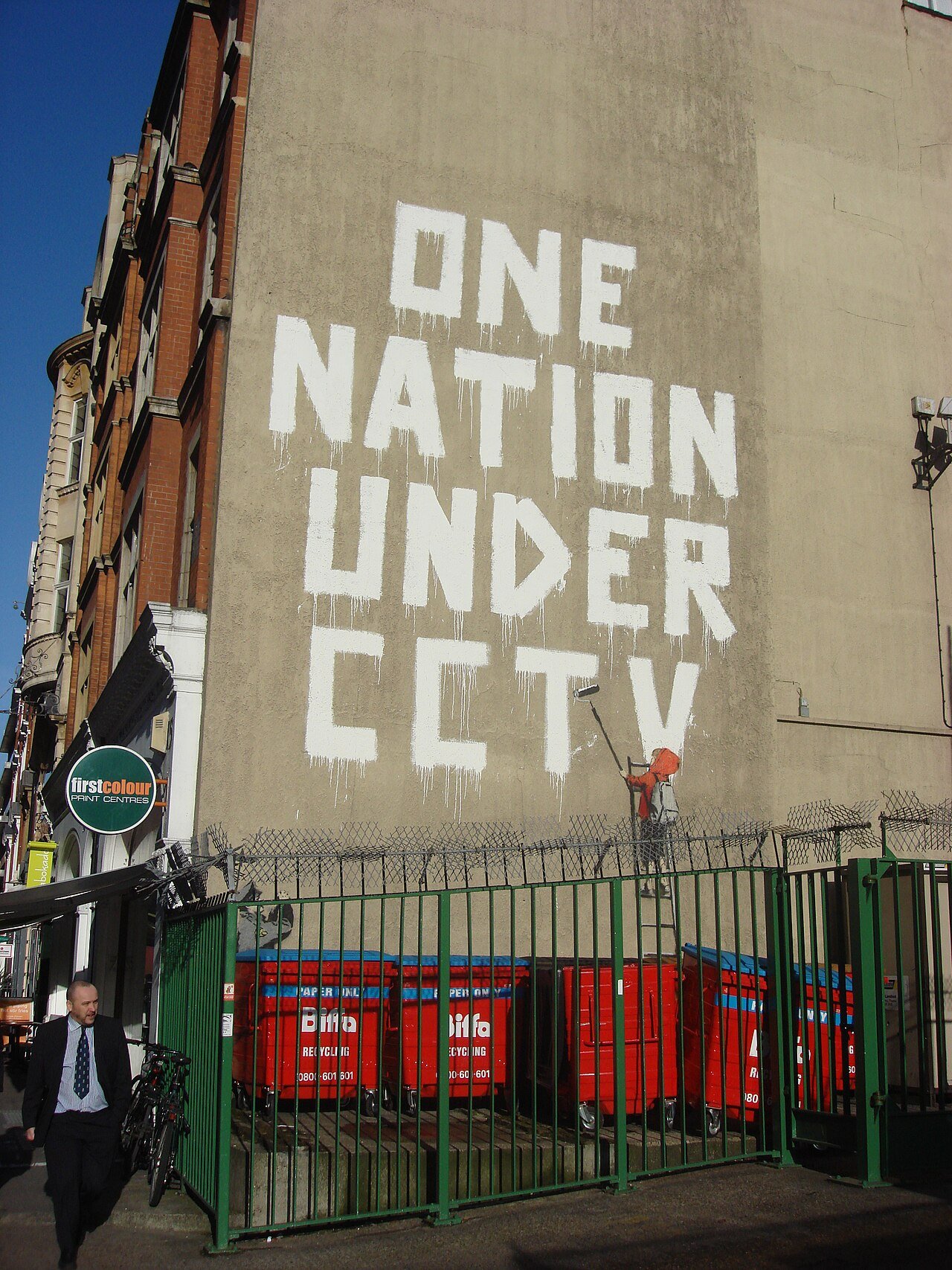
It doesn’t stay put. Walls get painted over, buffed by the council, tagged on top of, knocked down, or cut out and sold. Banksy’s One Nation Under CCTV, a huge piece on Newman Street in London’s West End, was ordered removed by Westminster City Council in 2008 and painted over in April 2009.
Even the famous ones change. Most of the murals on Berlin’s East Side Gallery were erased and repainted in 2009 for the twentieth anniversary of the fall of the Wall, many of them by their original artists. The version you photograph today isn’t, strictly speaking, the one painted in 1990.
“Street art” covers very different things. A quick tag sprayed at night, an illegal stencil, a mural commissioned by a city festival and a fresco painted on a church wall with the town’s permission are all walls with paint on them. They have very different stories, and very different reasons to exist.
How to read a wall yourself
Before you reach for your phone, the wall itself often gives you clues.
- Look for a signature or tag. Often in a bottom corner, sometimes with a year. A name you can search for later is a start.
- Look for a handle. Many muralists now paint their Instagram handle, or the name of the festival that invited them, next to the piece.
- Look for a plaque. Commissioned murals often have a small sign at street level with the artist, the year and the organisation that paid for it.
- Look at what’s around it. A whole street of murals is usually a festival or a city programme. One piece on a lonely wall is more likely a guerrilla work.
- Look at the message. Slogans, politicians, local heroes, a date. Street art is usually about something specific and nearby, which is why it’s so hard to understand when you’re not from there.
Four walls worth knowing
The East Side Gallery, Berlin
The longest surviving stretch of the Berlin Wall, about 1,316 metres along the Spree, was painted in 1990 by 118 artists from 21 countries. Its most photographed mural is Dmitri Vrubel’s My God, Help Me to Survive This Deadly Love, based on a real 1979 photo of Soviet leader Leonid Brezhnev kissing East German leader Erich Honecker.
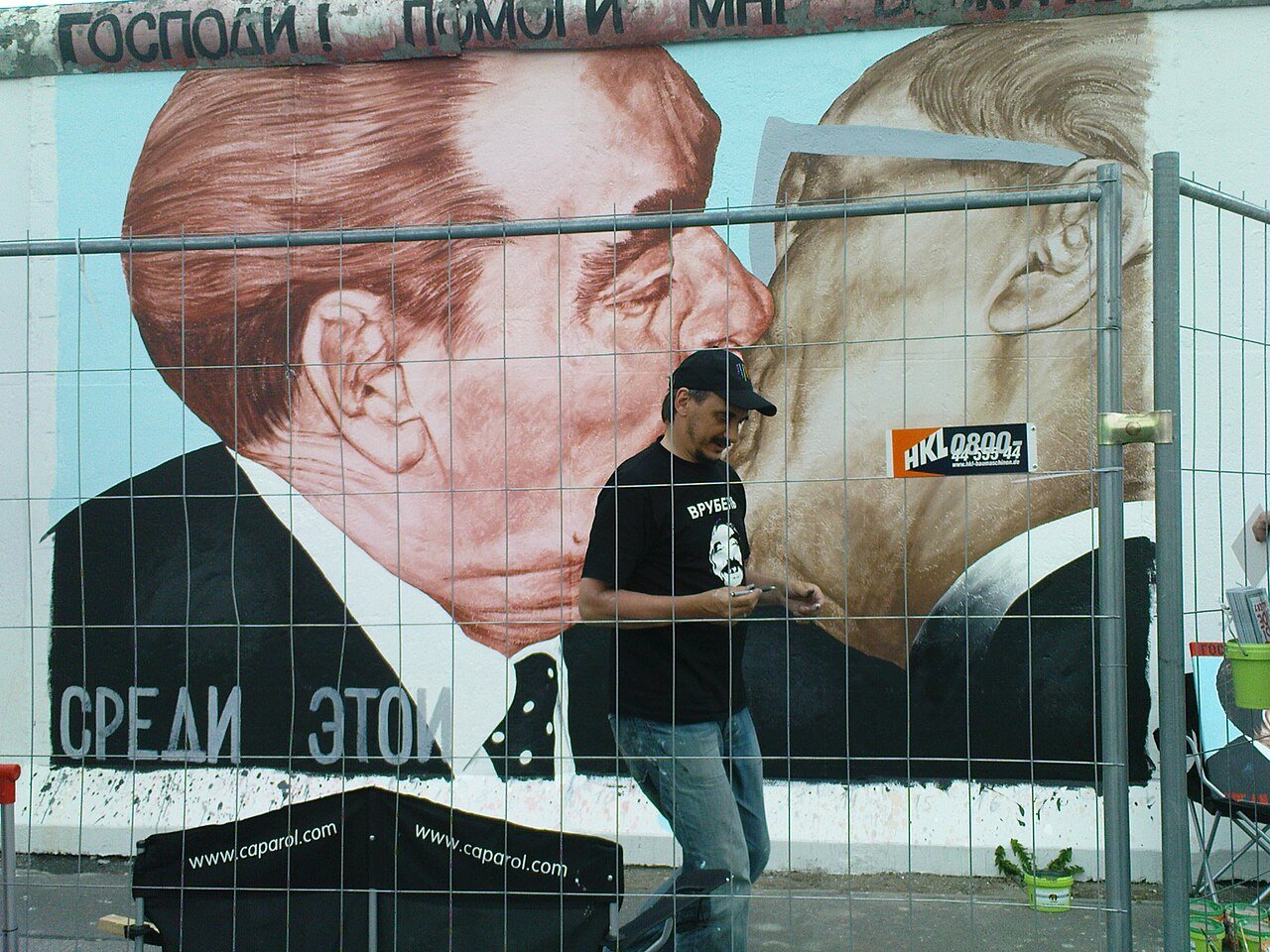
When the murals were erased for restoration in 2009, Vrubel repainted it himself. He admitted afterwards that he couldn’t remember every detail of the original.
Diego Rivera and the Mexican muralists
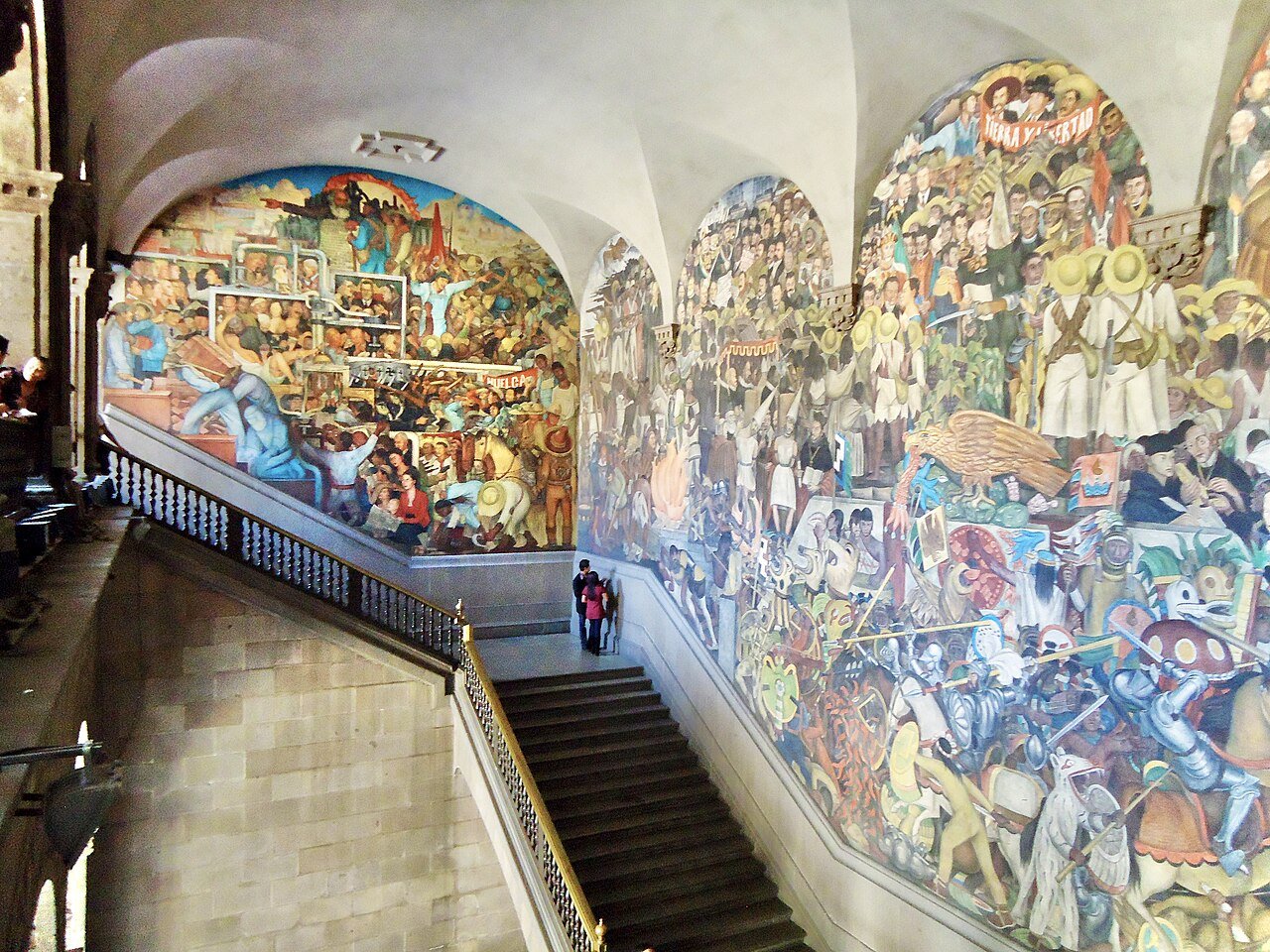
Modern mural painting, the kind that tells a whole country’s history on a public wall, owes a lot to Mexico. After the Mexican Revolution, the government commissioned artists to paint public buildings so that people who couldn’t read could still see their history. Diego Rivera’s murals on the main staircase of the Palacio Nacional in Mexico City tell the story of Mexico from before the Spanish conquest to the twentieth century, in one enormous crowded wall.
Not every wall survived its patron. In 1933 Rivera painted Man at the Crossroads in New York’s Rockefeller Center. It included a portrait of Lenin, he refused to remove it, and the mural was destroyed the following year.
Keith Haring’s Tuttomondo, Pisa
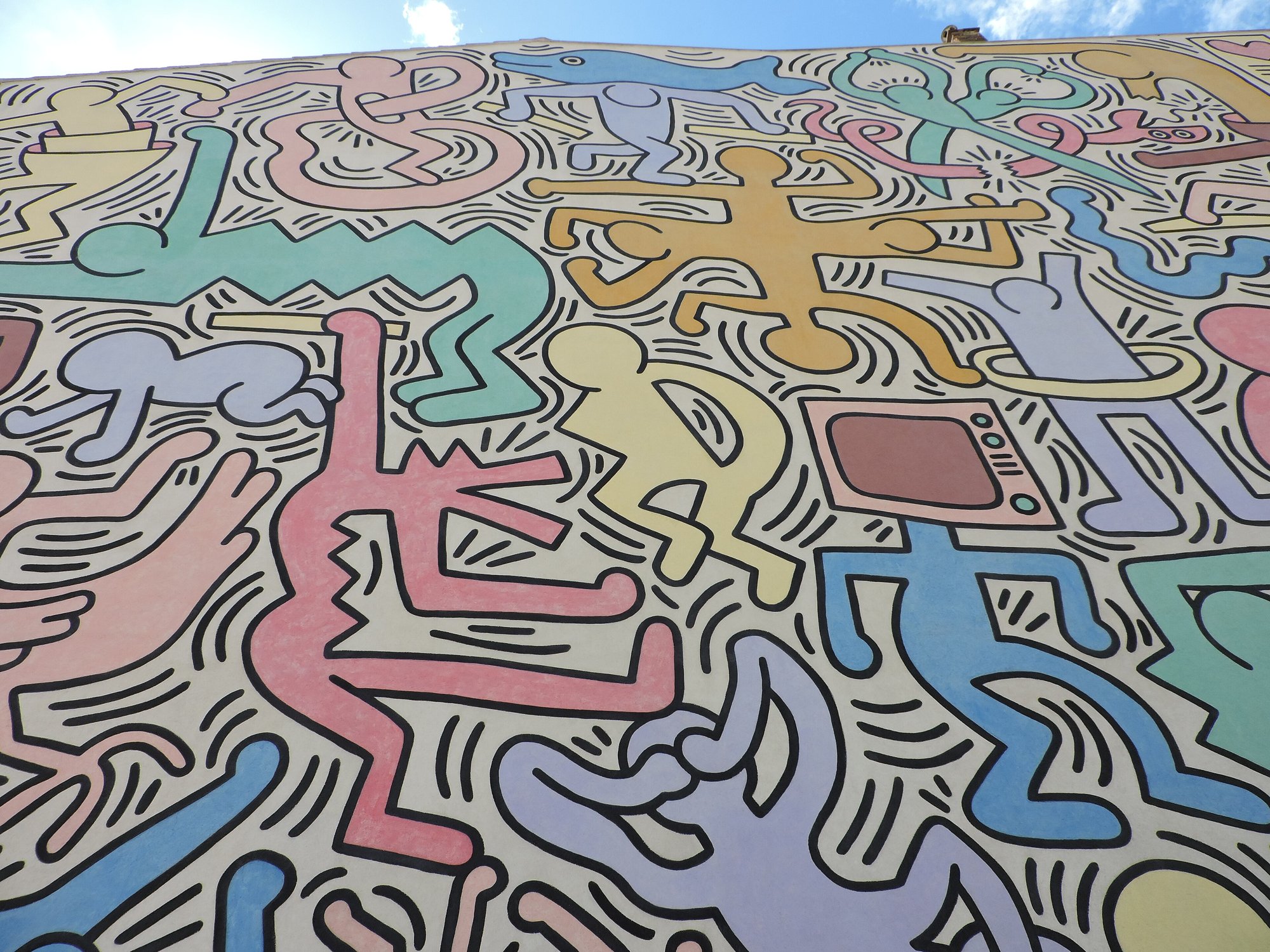
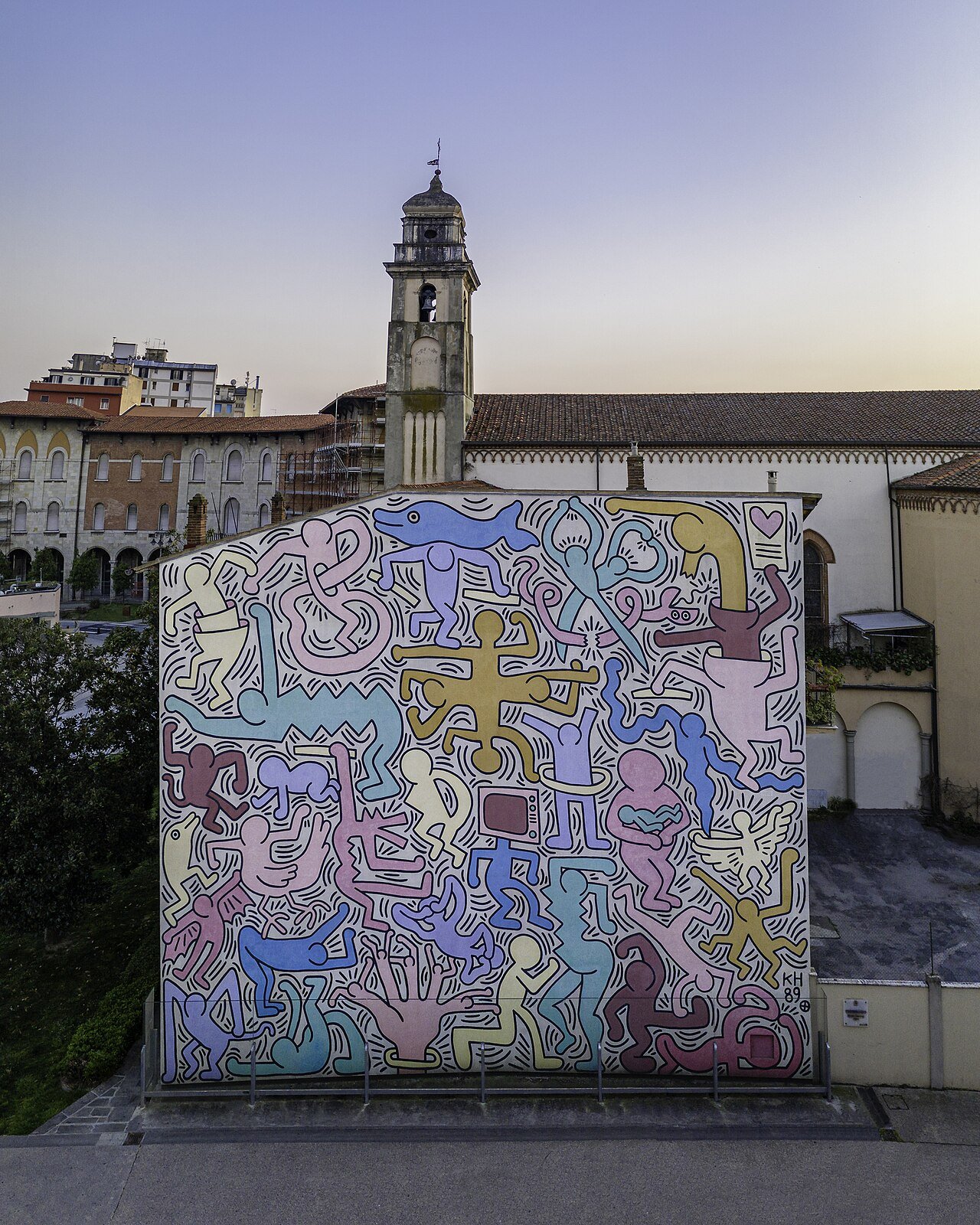
Most people in Pisa walk straight past it on the way to the Leaning Tower. Tuttomondo (“all the world”) covers about 180 square metres of the back wall of the church of Sant’Antonio Abate, near the station. Keith Haring painted it in 1989, the year before he died, and it’s one of his last public murals. Its interlocking figures are about peace and harmony, and unlike most of Haring’s street work, it was designed to last. It was restored in 2011.
Banksy, anywhere
Banksy is the reason many people started looking at walls at all. His pieces appear without warning, are often gone within months, and are sometimes cut out of the wall and sold at auction. That makes him the perfect example of the problem: the piece you photographed may already be history, and the story is often about what happened to the wall as much as what’s on it.
How Chiaro explains a mural
One photo in, a story out
Chiaro’s home page says it plainly: towers, bridges, a mural on a back street. If it has a story, Chiaro finds it. You take one photo of the wall, and Chiaro tells you what it is, who made it and why it matters, out loud, within seconds. You stay looking at the wall, not at the screen.
There are no city packs to download. Chiaro recognizes what you point it at, wherever you are.
Curious? Just ask
Street art is all about context, and context is what you’re missing when you’re not from the neighbourhood. So ask. Type or say any question, like “who is the man in this mural?”, “is this legal?” or “what does the slogan mean?”, and Chiaro answers out loud.
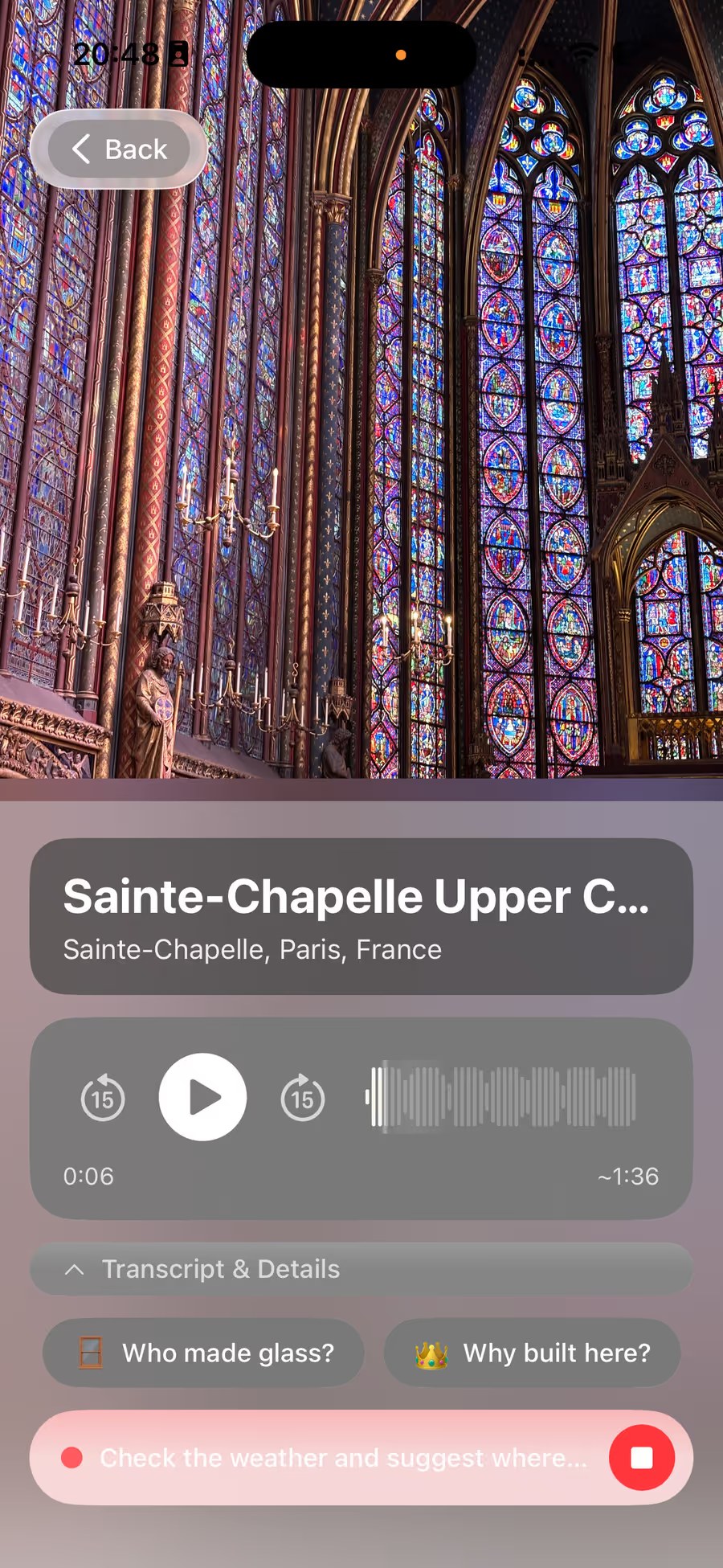
Because street art changes so fast, the web check matters more here than anywhere. When the answer depends on today, like whether a piece is still there, whether it’s been painted over, or whether there’s a festival on this week, Chiaro checks the web and brings back today’s answer.
In your language, and theirs
Slogans on walls are in the local language, usually in slang. Chiaro speaks 18 languages, in a woman’s or a man’s voice, and shows place names in your language and the local one, side by side.
A map of what you found
Every photo you take becomes a pin on the Map, so a morning of wandering through a street-art district turns into a route you can look back on. The Map also shows Chiaro’s picks around you, each with one line on why it’s worth the walk. In the evening, Chiaro turns what you saw into a Filo, a short story of your day that connects the dots, and you can pin anything you want to find again.
FAQ
Is there an app that identifies street art?
Yes. Chiaro recognizes murals and street art from a photo and tells you their story in an audio guide, in 18 languages. You can ask follow-up questions out loud.
How do I find out who painted a mural?
Look for a tag or signature in the corners, an Instagram handle, or a festival plaque at street level. Or point Chiaro at it and ask.
What if the mural is new, or has been painted over?
Ask Chiaro. When the answer depends on today, it checks the web for current information.
What’s the difference between graffiti and a mural?
Roughly: graffiti is usually unofficial and often a tag or a name, while a mural is a large painted image, often commissioned. Many famous pieces sit somewhere in between, and that’s often part of their story.
The gallery with no walls, or all walls
Street art is the only art you can find by getting lost. It’s free, it’s everywhere, and it’s often gone next year, which is a good reason to stop and find out what it is while it’s still there.
Chiaro means “clear” in Italian. Get it on the App Store, point it at the next wall that stops you, and listen.
Snap. Listen. Explore.